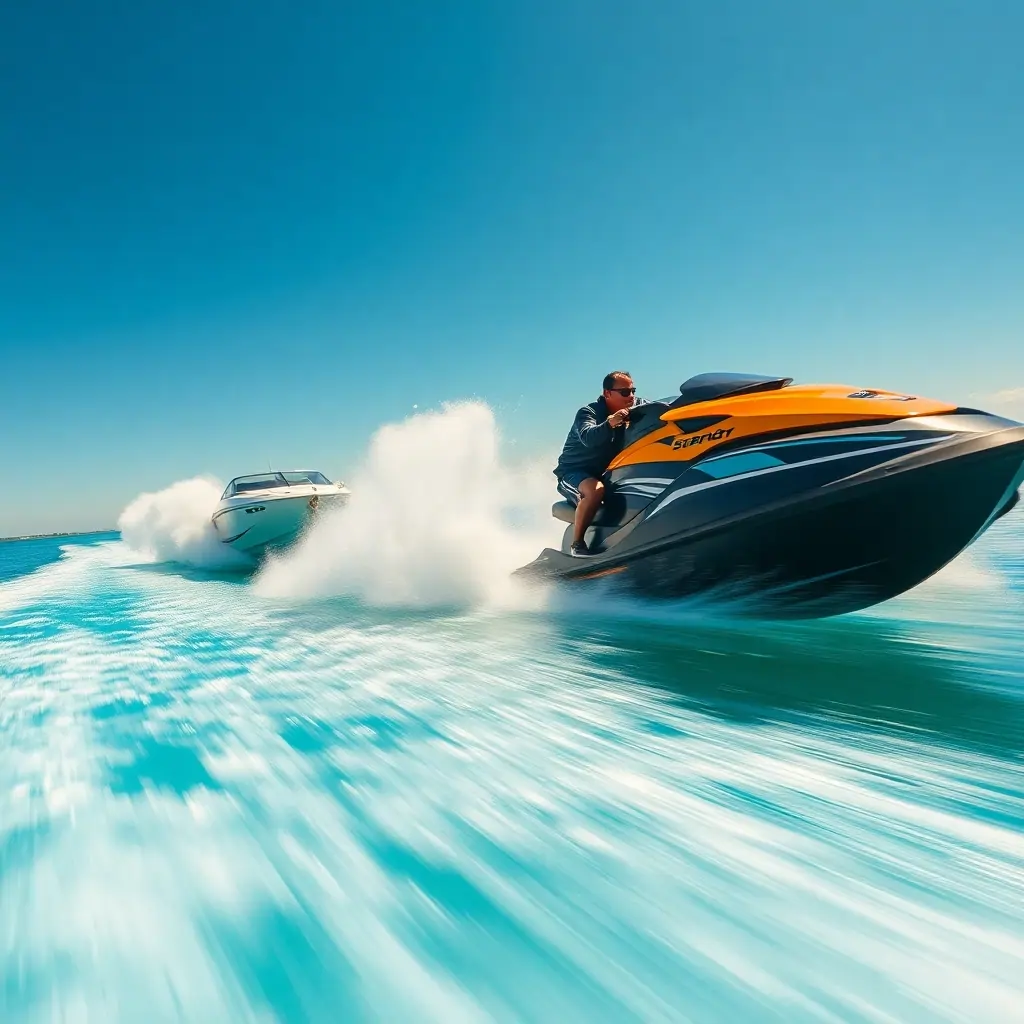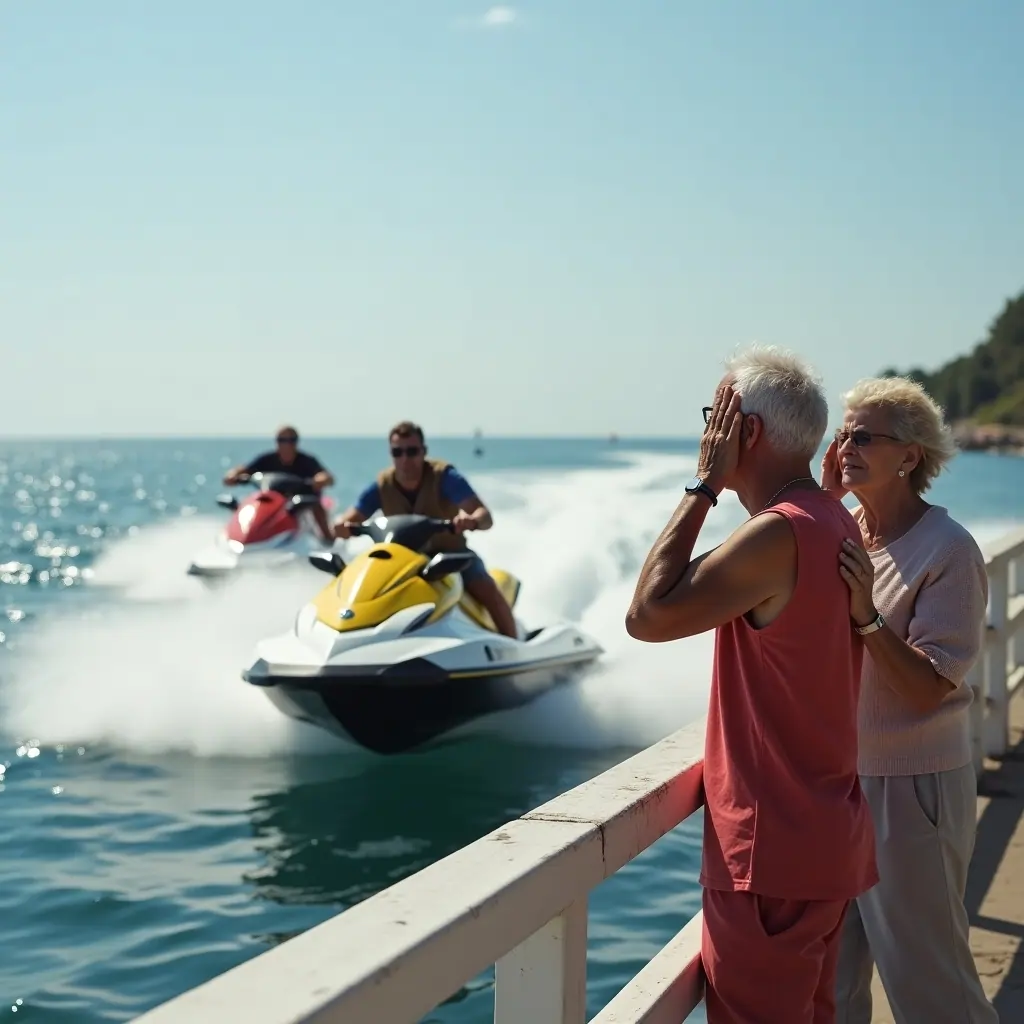


Jet skiing is fast, fun, and one of Australia’s most exciting ways to enjoy the water. But with that popularity comes a wave of misinformation. From what kind of lifejacket to wear to whether jet skis can flip—many new (and even experienced) riders hold onto myths that can actually put them at risk.
In this article, we break down the most common jet ski safety myths and separate the facts from fiction—so you can ride with confidence, compliance, and common sense.
Myth 1: “Jet Skis Don’t Flip Over”
False.
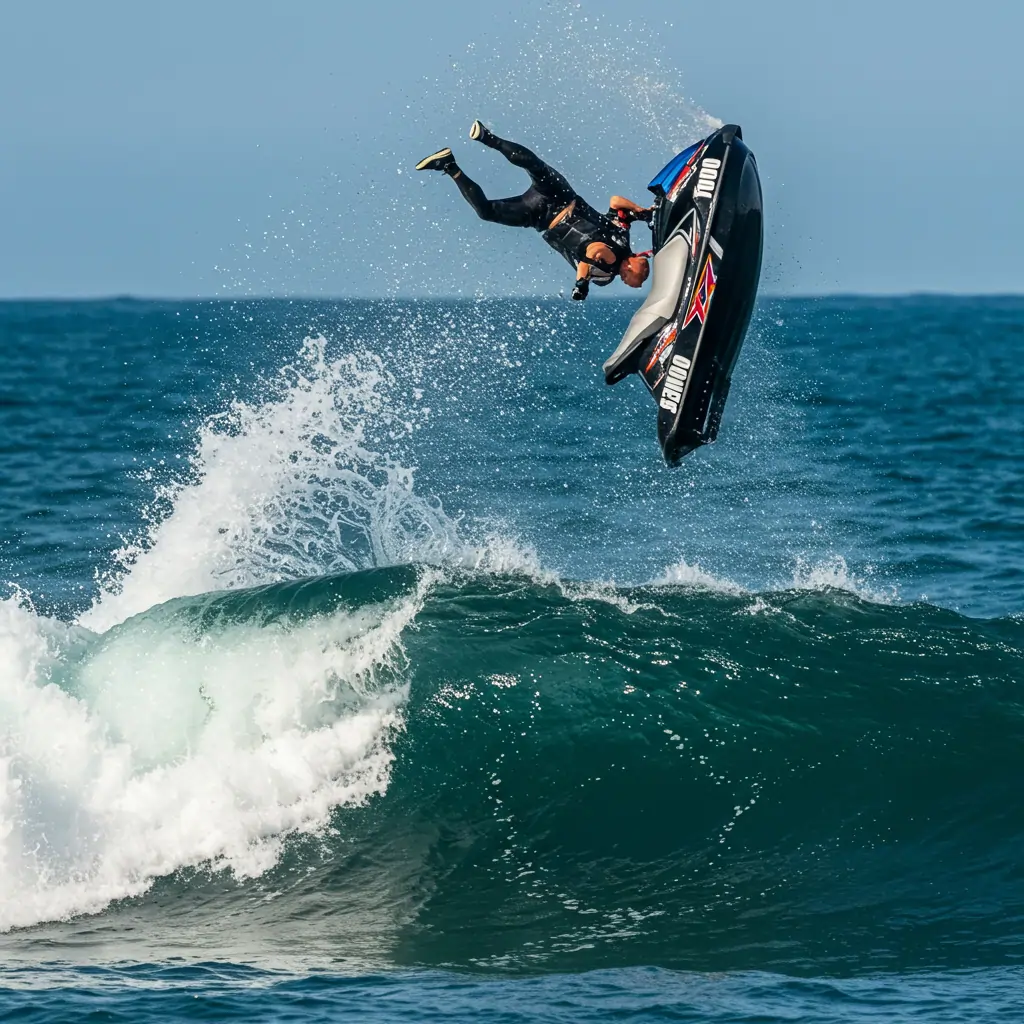
Jet skis can absolutely flip—especially during sharp turns, rough water conditions, or improper manoeuvres. Even experienced riders can be caught off guard when hitting a wave at the wrong angle or standing too aggressively while turning.
Modern jet skis are designed to be self-righting, but that doesn’t mean they’re immune to capsizing.
✅ The truth:
- Always know how to right your jet ski if it flips (usually printed on the rear of the vessel).
- Wear a properly fitted lifejacket in case you’re thrown off.
- Keep the lanyard (kill switch) attached to your wrist or lifejacket at all times.
Myth 2: “Any Lifejacket Will Do”
False.
Not all lifejackets are suitable for jet skiing. In Australia, you must wear a lifejacket rated for PWC use—typically a Level 50 or 50S in smooth waters, or Level 100+ is recommended in open waters, depending on the conditions and state regulations.
Wearing an old surf vest or an offshore jacket that limits mobility can be dangerous and illegal.
✅ The truth:
- Only use AS-approved lifejackets designed for high-speed water sports.
- Your lifejacket should allow freedom of movement and have secure buckles or zips.
- Check your state’s marine safety authority for exact legal requirements.
Myth 3: “Jet Skis Are Easier to Control at Low Speed”
Partially true—but misleading.
While jet skis are generally stable at idle, many people don’t realise that you lose steering when you let go of the throttle. Unlike a boat with a rudder, a jet ski steers using thrust. No throttle = no directional control.
✅ The truth:
- Always maintain a little throttle when turning, especially in tight spots or near hazards & busy areas.
- Train yourself to anticipate turns and obstacles with plenty of distance.
- Don’t assume the jet ski will handle like a car or small boat—it won’t.
Myth 4: “You Can Ride a Jet Ski Anywhere”
False.
There are strict restrictions on where you can ride a PWC in Australia. Many areas have:
- PWC exclusion zones
- Speed limits within 50–200 metres of shore, swimmers, or other vessels
- Time-of-day rules prohibiting use at night or early morning
- Protected marine areas where all motorised activity is banned
Ignoring these rules not only risks fines—it gives jet ski riders a bad reputation.
✅ The truth:
- Know your local state and council rules before launching.
- Use only designated PWC zones or access lanes for beach entry.
- Respect wildlife and marine sanctuaries—you are legally required to keep your distance.
Myth 5: “Jet Skis Are Safer Than Boats”
Not necessarily.
Jet skis might seem safer because they’re smaller and don’t have propellers, but their speed, agility, and proximity to the water make them just as risky—if not more so—for inexperienced operators.
PWCs are involved in a significant portion of marine accidents and injuries, often due to:
- High-speed collisions
- Inadequate training
- Operating without safety equipment
- Towing without an observer
✅ The truth:
- Jet ski riders require just as much training and attention to safety as boat operators.
- Complete an accredited PWC licence course in your state or territory.
- Ride responsibly and stay alert—especially in shared waterways.
Myth 6: “You Don’t Need to Do Safety Checks on Jet Skis”
False.
Just like boats, jet skis need pre-ride safety checks. Skipping this can lead to breakdowns, injuries, or emergencies on the water.
✅ The truth:
Before every ride, check:
- Fuel level and oil
- Kill switch lanyard and throttle response
- Hull integrity
- Drain plugs and bilge (if fitted)
- Safety gear, including lifejackets, waterproof buoyant torch and an EPIRB / Radio Beacon. (if you more than 2 nautical miles of the shore on coastal waters).
Conclusion: Smart Riders Know the Facts
Jet skis are safe, fun, and accessible when used properly—but only if riders ignore the myths and focus on the facts.
From steering awareness to proper safety gear and respecting riding zones, every responsible rider should take the time to learn what’s real and what’s just rumour.
The water is your playground—but it’s also a shared and regulated space. Stay informed, ride respectfully, and always prioritise safety over speed.