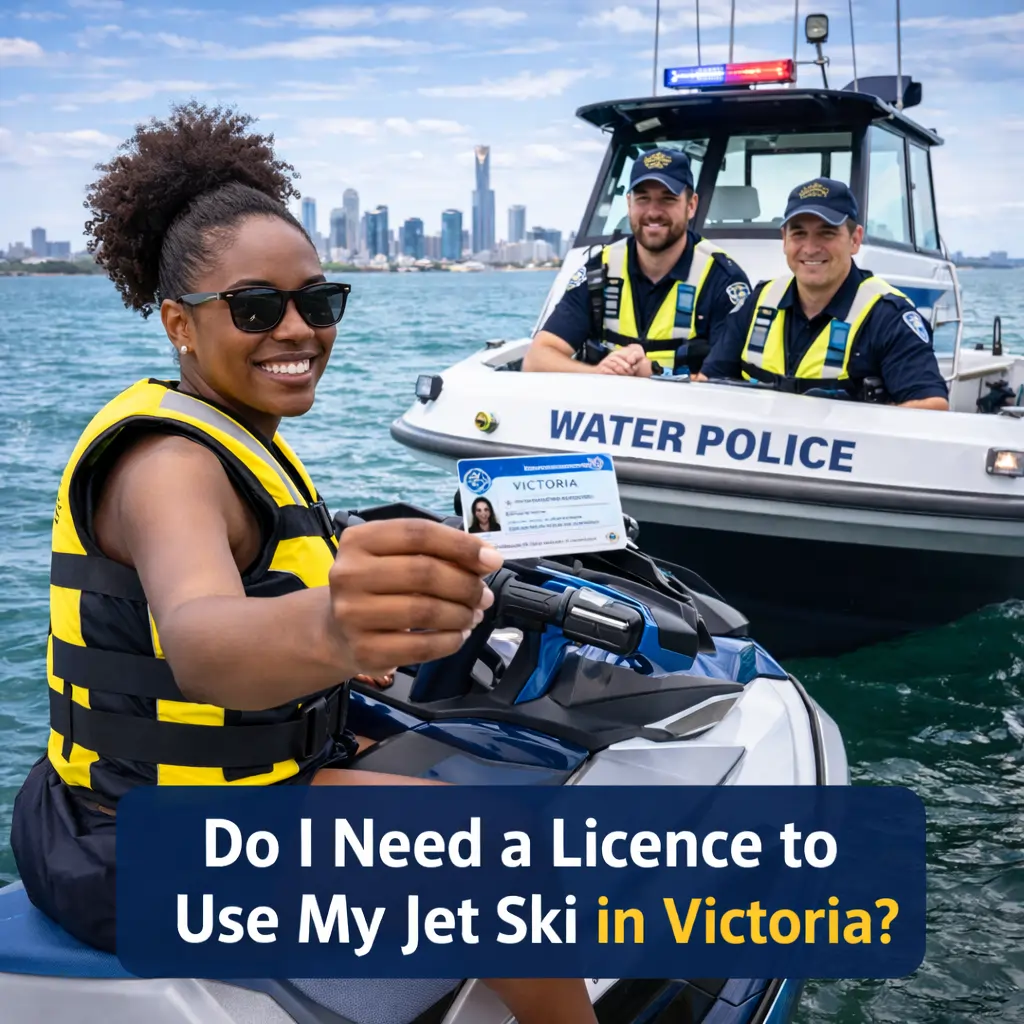


Getting out on the water is one of the best ways to enjoy Australia’s stunning coastline and inland waterways. But if you’re planning to operate a jet ski (PWC – Personal Watercraft), don’t assume your boat licence alone will cover all the information you need.
In Victoria, operating a jet ski requires additional training and a separate endorsement. Why? Because PWCs aren’t just smaller versions of boats—they’re faster, more agile, and demand unique skills and knowledge.
In this article, we explain how jet ski licence training differs from boat licence training, and why it’s essential for safety, confidence, and compliance.
- Jet Skis Are Built to Behave Differently
Unlike traditional boats, jet skis:
- Steer using thrust, not rudders
- Require active body positioning to balance and turn
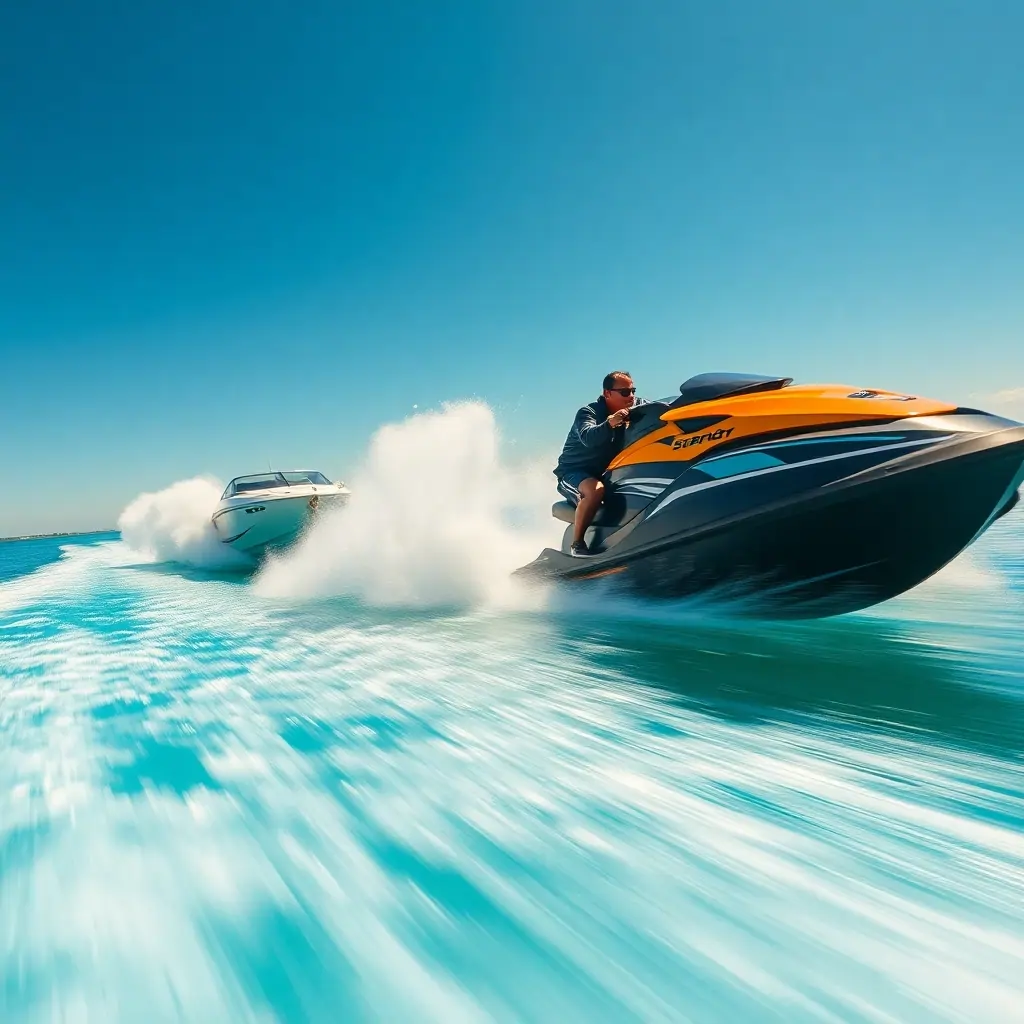
- Accelerate and decelerate rapidly, with sharp manoeuvring capabilities
- Have a higher centre of gravity, making them less forgiving in turns
Because of these differences, PWC operators must learn specific handling techniques—especially in busy or narrow waterways. Jet ski licence training covers these areas in much more detail than general boating courses.
- Emergency Stops Work Differently on PWCs
One major surprise for many learners is that jet skis don’t steer when you’re off the throttle.
This means that if you suddenly release the accelerator to slow down, you also lose steering control—a major safety risk if you’re approaching an obstacle.
PWC training teaches you to:
- Maintain some throttle during turns & in busy areas
- Plan your stopping distance in advance
- Understand how to use kill switches and lanyards for quick engine shut-off
This differs from boat licence training, where steering is often possible even when coasting.
- Jet Ski Rules Often Differ From Boat Rules
Many Australian states apply additional rules to jet ski use, including:
- Time-of-day restrictions (no night use in most areas)
- PWC exclusion zones near swim beaches and marine sanctuaries
- Speed limits and minimum distance rules specific to PWCs
- Safety gear like kill switch lanyards and lifejackets at all times
Jet ski licence training covers these specific regulations, ensuring riders understand where they can legally ride and how to operate within the law.
- Towing with a Jet Ski Requires More Awareness
Towing skiers or inflatables with a jet ski is legal in many parts of Australia—but it comes with strict requirements, such as:
- Having a second person as an observer
- Using a three-seater jet ski (driver + observer + towed person)
- Knowing how to safely approach a fallen rider in the water
Jet ski licence courses provide detailed guidance on these towing rules—often not covered in standard boat licence training.
- Environmental Impact and Behaviour Are Key Focus Areas
Due to their speed and shallow-water capability, jet skis can cause:
- Wake damage near shorelines
- Disturbance to wildlife, especially in estuaries and marine parks
- Noise complaints in residential areas
Jet ski courses include modules on low-impact riding, environmental etiquette, and how to minimise disturbance to others. These aspects are especially relevant in popular tourist and urban waterways.
- Higher Risk, Faster Response
PWCs are often involved in boating incidents not because they’re dangerous—but because they’re:
- Used at higher speeds
- Operated by less experienced riders
- Frequently shared among friends or family
As a result, jet ski training puts extra emphasis on risk awareness, anticipating hazards, and responsible riding behaviour.
- Licensing and Endorsements Vary by State
Here’s a quick look at how PWC licensing works across Australia:
- Victoria: You need a marine licence with PWC endorsement
- NSW: Separate PWC licence required
Each jurisdiction incorporates PWC-specific content that boat-only courses may skip.
Conclusion: PWC Training Prepares You for Real-World Jet Skiing
While boat and jet ski licences share some basics, jet ski operation is a different skillset—and that’s why dedicated training exists. Whether you’re learning throttle-based steering, understanding legal distances, or practising rescue manoeuvres, jet ski licence training gives you the practical and legal tools to ride safely and responsibly.
If you’re new to jet skiing or transitioning from boat ownership, don’t skip the training. It might just save your licence, your vessel—or someone’s life.