

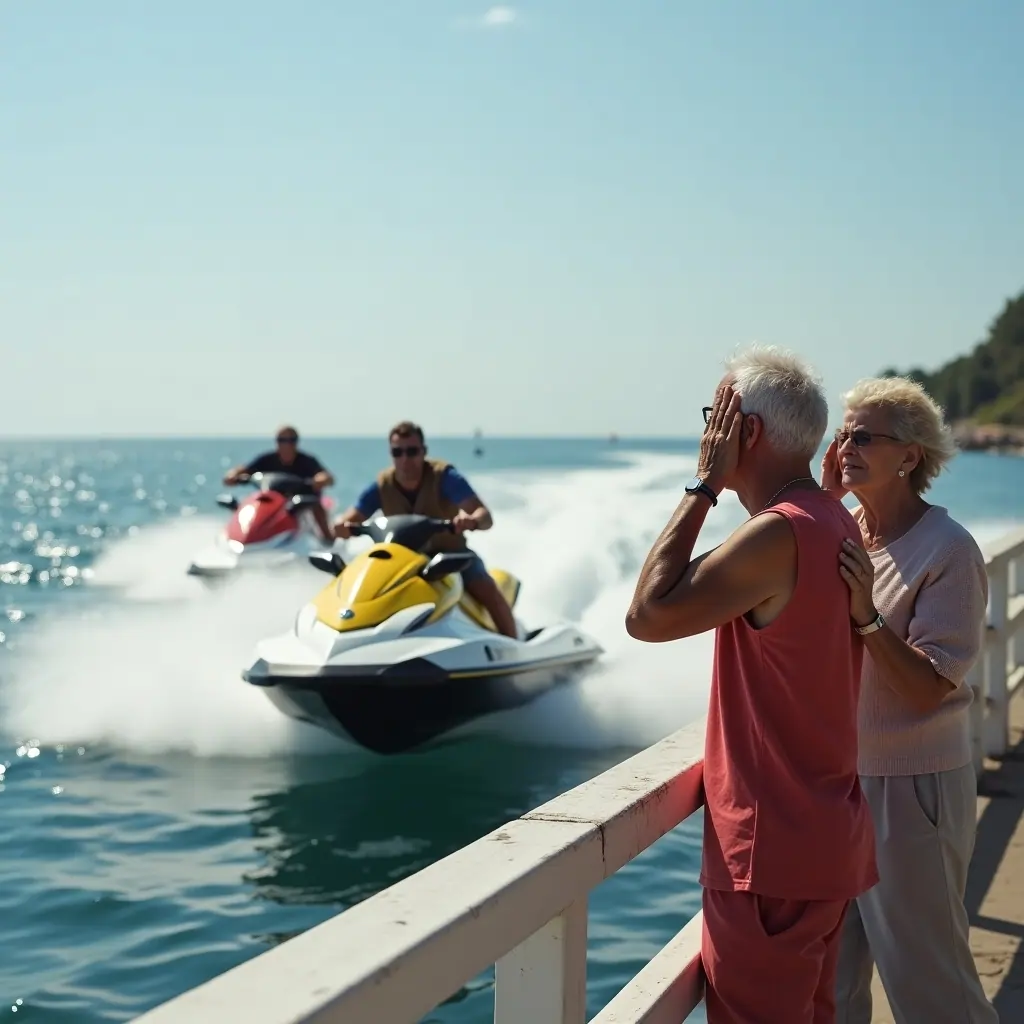
Jet skis (or Personal Watercraft – PWCs) offer high-speed thrills and adrenaline-pumping action on the water. But for many coastal and lakeside communities, they’re also one of the most common sources of recreational noise complaints.
If you’re a jet ski rider in Australia, it’s essential to know where the law stands when it comes to noise, nuisance, and compliance. Ignoring local noise regulations doesn’t just risk annoying your neighbours—it can lead to fines, restrictions, and even bans in certain areas.
In this article, we’ll explain how noise rules apply to jet skis, what local councils can enforce, and how to enjoy your PWC responsibly (and quietly).
Why Are Jet Skis Often the Subject of Complaints?
Jet skis are powerful, compact machines with high-revving engines that often operate close to shore. Unlike most boats, they’re used for frequent acceleration, jumps, and turns, which can generate:
- Sudden engine bursts at high RPM
- Persistent buzzing or whining sounds
- Noise that carries easily over water—even at moderate distance
- Repeated passes or erratic operation near homes and beaches
For residents living close to popular water access points, this can result in daily disruptions, especially during holidays and weekends.
What the Law Says About Jet Ski Noise in Australia
Jet ski noise is regulated by a mix of federal, state, and local laws, depending on your location and activity.
- Australian Noise Standards
The National Standard for Emission of Noise from Marine Vessels outlines acceptable decibel limits for marine engines, but enforcement is typically state-based. Jet skis must be factory compliant with these limits to be legally sold and operated.
Most modern PWCs comply, but aftermarket exhaust modifications or damaged mufflers can push them over the limit.
- State Marine Safety Laws
Each state has marine authorities (e.g. Maritime Safety Queensland, Transport for NSW, Safe Transport Victoria) which can:
- Enforce speed limits and distance from shorelines or swimmers
- Issue on-the-spot fines for dangerous or noisy operation
- Suspend PWC licences for repeat offences
- Regulate areas where PWC use is restricted or prohibited altogether
Some states (like Victoria and NSW) designate PWC exclusion zones near sensitive residential areas or marine parks, where noise concerns are common.
- Local Council Regulations
Perhaps most importantly, local councils can impose additional rules under environmental nuisance laws, including:
- Time-of-day restrictions for launching or operating PWCs
- Designated “quiet zones” or PWC-free areas
- Authority to respond to noise complaints and coordinate with marine safety officers
This means what’s legal on one part of a lake or beach might be restricted or banned just a few kilometres away—especially in urban waterways or near waterfront homes.
What Constitutes a Noise Offence?
You may be breaching noise laws if:
- Your jet ski has been modified to increase noise output
- You’re riding repeated loops near a residential shore
- You’re operating at high speed in low-speed or no-wash zones
- Your PWC lacks a muffler or has a damaged exhaust system
- You’re riding outside designated hours in a council-regulated area
Even if your jet ski is legally compliant, how and where you ride can still make it a nuisance.
Consequences of Noise Complaints
If someone reports you to local authorities or marine safety patrols, you could face:
- Fines ranging from $250–$750+
- Noise abatement notices or court-ordered restrictions
- Licence suspension for repeat or dangerous behaviour
- Seizure or impoundment of the PWC in severe cases
- Increased local pressure for PWC bans in shared waterways
Some councils maintain complaint logs—repeat offenders may be monitored more closely or reported to state marine authorities.
How to Reduce Jet Ski Noise and Stay Complaint
Jet ski enthusiasts can protect their riding rights by minimising nuisance and respecting shared water spaces:
✅ Ride in Approved Zones
Stick to PWC-friendly areas or zones marked for high-speed recreation. Avoid operating close to residential shorelines or quiet estuaries.
✅ Don’t Modify Your Exhaust
Keep your factory-fitted muffler intact. Modified exhausts may be louder—but they can also be illegal.
✅ Limit Repetitive Circuits
Avoid doing tight loops in front of the same homes or beaches repeatedly. Noise is more tolerable when it’s not constant.
✅ Respect Time-of-Day Rules
Avoid early morning and late evening rides—especially in tidal rivers, lakes, or inland waterways.
✅ Be Courteous
If someone gestures that you’re too loud or too close—back off. A quick change in behaviour can defuse tension and avoid escalation.
Conclusion: Respect the Peace to Protect Your Freedom
Jet skis are meant to be fun—but that fun shouldn’t come at the cost of someone else’s peace and quiet. With rising noise complaints across Australia, riders who act respectfully and ride responsibly play a key role in preserving access to popular boating areas.
Know your local rules, avoid modified setups, and ride with an awareness of how sound travels over water. Because when it comes to jet ski noise, compliance is not just legal—it’s neighbourly.