

The Role of Weather Forecasting in Boat Licence Training
When it comes to safe and responsible boating, knowing how to handle a vessel is only half the story. The other half—often underestimated by new boaters—is understanding the weather.
In Australia, where conditions on coastal and inland waterways can change rapidly, weather literacy is a critical skill for every marine licence holder. That’s why weather forecasting plays a central role in boat licence training programs, and why it’s essential knowledge for anyone taking to the water.
In this article, we explore how weather awareness is taught in boat licence courses and why it’s such an important component of boating safety and preparedness.
Why Weather Forecasting Matters for Boaters
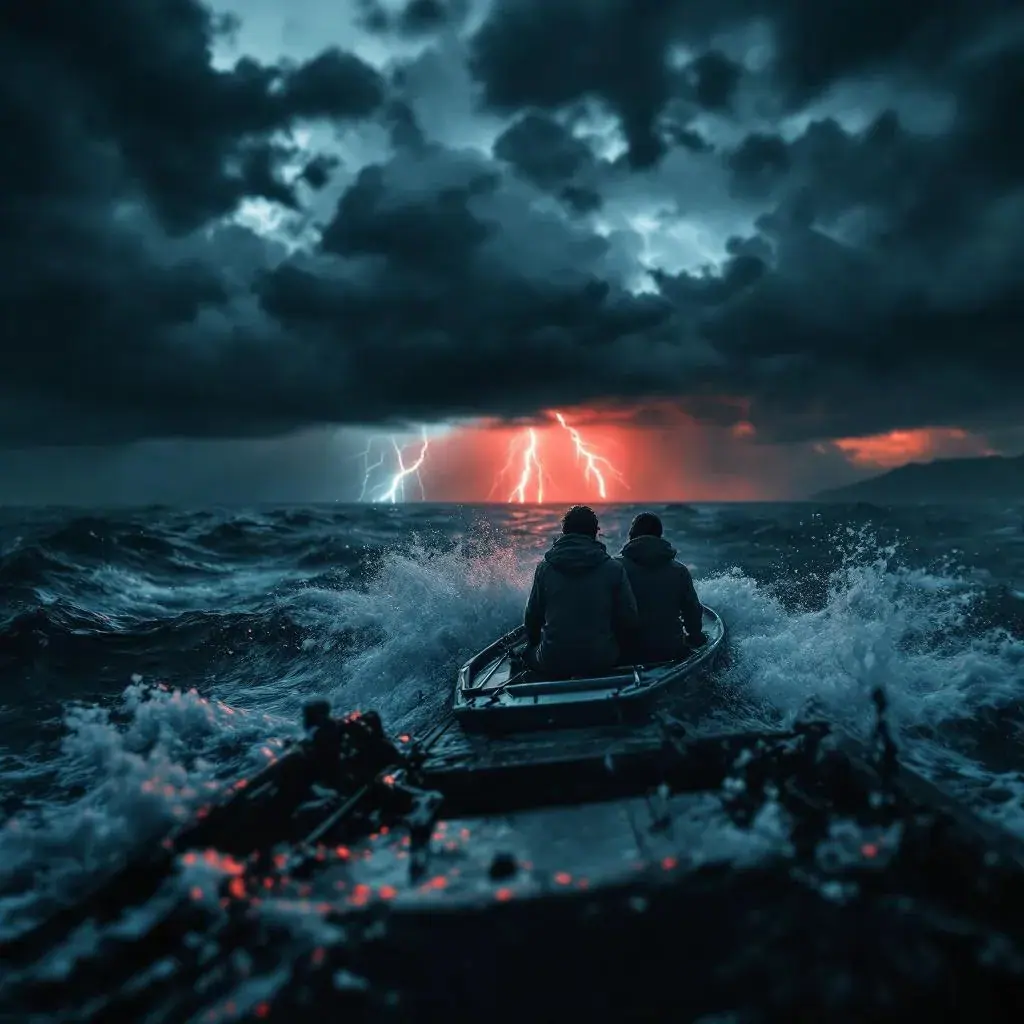
Weather is one of the most uncontrollable yet predictable risks in boating. Understanding how to read and respond to forecasts helps reduce the risk of:
- Capsizing in rough seas
- Losing visibility due to fog or storms
- Being caught in offshore winds
- Underestimating wave height or swell
- Delaying emergency responses in poor conditions
In Australia, where weather systems can shift quickly and regionally, boaters must be proactive about checking conditions before they set out—and prepared to change course or cancel a trip when necessary.
What Marine Licence Training Covers
Every state and territory’s marine licence training includes a weather and environment component as part of the theory module. Topics typically include:
- Understanding Marine Forecasts
Learners are taught to interpret marine weather reports, including:
- Wind strength and direction (e.g. “south-westerly 15 knots”)
- Wave height and swell intervals
- Visibility levels
- Tide charts and current forecasts
- Storm warnings and alerts
Training explains how these variables interact and affect vessel control, especially for smaller recreational boats.
- Using Official Forecast Sources
Boat licence training promotes the use of reliable, official weather channels, including:
- Bureau of Meteorology (BoM) marine forecasts
- BoM’s MetEye and Boating Weather App
- VHF marine radio channels (for weather updates on water)
- Local signage and marine authority updates
Understanding how to access, interpret, and act on this information is a key skill tested during the theoretical assessment.
- Weather and Decision-Making
Training encourages practical decision-making skills such as:
- Delaying departure in the presence of high wind or storm warnings
- Adjusting course to avoid weather fronts
- Knowing when to return early if conditions change unexpectedly
- Avoiding narrow channels or exposed areas in rising tides or offshore winds
The message is clear: Safe boating starts with safe planning.
Real-World Examples in Training
Some Registered Training Organisations (RTOs) use scenario-based learning to reinforce weather awareness. For example:
- “You’re planning to launch at 2pm, and the forecast is 25 knots south-west by 4pm—what do you do?”
- “There’s a 1.5m swell predicted with wind from the east. Should you take out a 4m runabout offshore?”
- “A sudden thunderstorm is forecast—how do you prepare and respond?”
This type of situational training ensures learners apply their knowledge rather than simply memorise facts.
How Weather Literacy Saves Lives
Many marine incidents investigated by state boating authorities involve weather-related causes. Common examples include:
- Boaters underestimating wave size and capsizing
- Getting stranded due to changing tides
- Collisions caused by poor visibility
- Engine flooding during unexpected rain or wind-driven waves
These are often avoidable through better forecasting awareness and decision-making.
By embedding weather training into marine licence programs, Australian authorities are helping build a culture of risk awareness and preparation—which saves lives and protects the boating community.
Tools Boat Licence Holders Should Use Regularly
To stay informed, every licence holder should use:
- BoM Marine Weather Services: for accurate, regional forecasts
- Tide charts and apps: like WillyWeather or Boating Weather Australia
- Radar and satellite apps: for real-time updates
- VHF radios: to monitor marine weather broadcasts while on the water
Printed charts and waterproof weather guides can also be handy backups in remote or offshore locations.
Conclusion: Weather Awareness Is Seamanship
A boat licence isn’t just a legal requirement—it’s a commitment to responsible and informed boating. Knowing how to read and interpret the weather is part of that commitment, and it’s why weather literacy is included in every marine licence training program in Australia.
If you’re preparing to get your marine licence or brushing up on your skills, don’t just focus on boat handling—make the weather part of your regular safety routine.
Because while you can’t control the forecast, you can control how you prepare for it.