
Remote and Regional Forklift Training: Bridging the Accessibility Gap
In Australia, forklifts are vital to industries far beyond our capital cities. From agricultural operations in regional Victoria to mining camps in the Top End, businesses in remote and regional areas rely on trained forklift operators to keep things moving. But despite their importance, accessing proper forklift training and licensing in these areas remains a major challenge.
So how can remote businesses stay compliant with Work Health and Safety (WHS) regulations, while giving their workforce the training they need? In this article, we’ll explore the accessibility issues, legal requirements, and practical solutions available to employers and operators across rural Australia.
The Forklift Training Challenge in Regional Australia
The main hurdle for many rural businesses is geographic isolation. Unlike metro areas, where Registered Training Organisations (RTOs) are plentiful, regional towns often have limited or no access to certified forklift training providers.
This can lead to a number of challenges:
- Workers must travel long distances for training or assessment
- Courses are scheduled less frequently or cancelled due to low demand
- Training may not be tailored to industry-specific equipment used in rural operations (e.g. all-terrain forklifts in agriculture)
- Compliance deadlines may be missed due to lack of availability
For industries like farming, forestry, regional logistics, and warehousing, these challenges are more than inconvenient—they can disrupt operations and increase legal risk.
What the Law Requires (No Matter Where You Are)
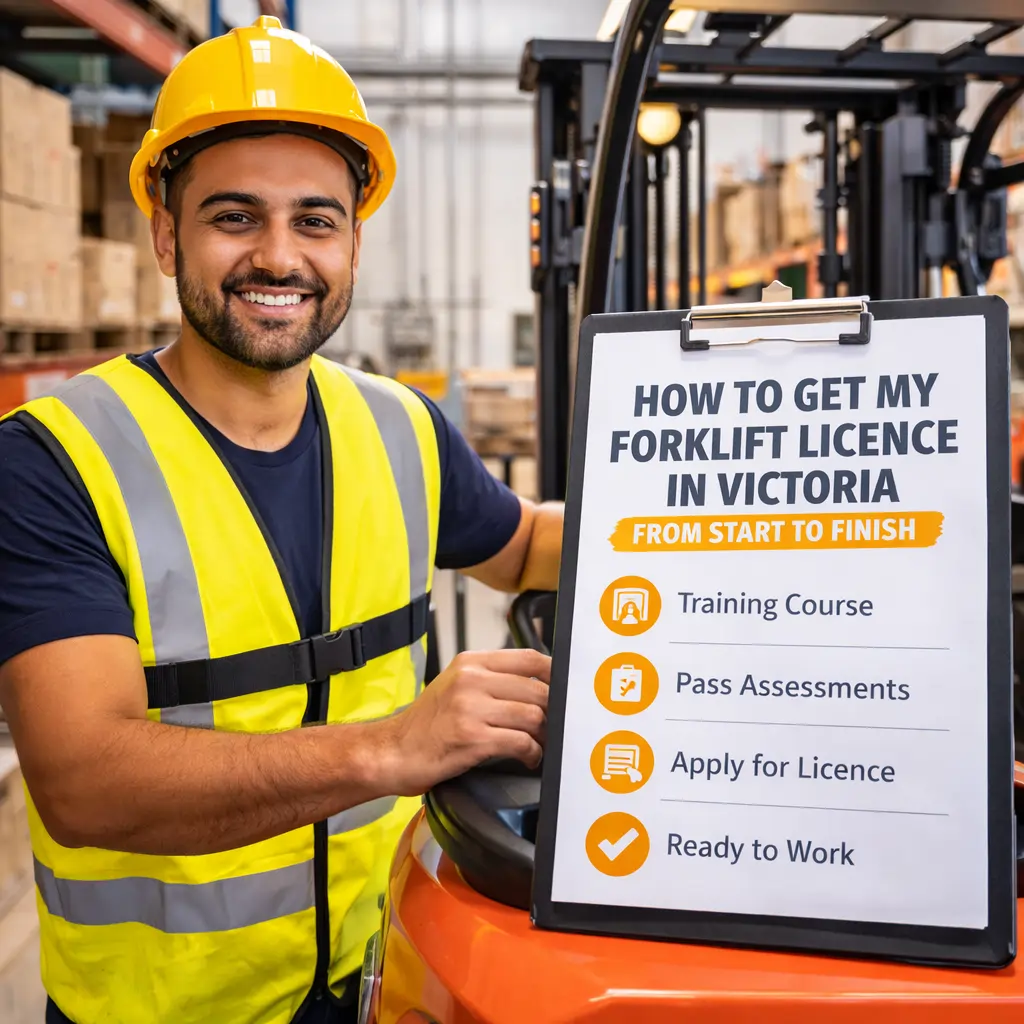
Regardless of your location, all Australian states and territories require forklift operators to hold a valid High Risk Work Licence (HRWL). This licence must be obtained through:
- Training by an accredited RTO
- Successful completion of both theory and practical assessments
- Lodging an application with your local WHS regulator (e.g. WorkSafe VIC, NT WorkSafe, SafeWork SA)
Under the Work Health and Safety Regulations 2011, employers must ensure that workers using forklifts are trained, competent, and licensed. There’s no exemption based on remoteness.
Failing to comply can result in:
- Fines and legal action for the business
- Delays in insurance or WorkCover claims
- Increased workplace risk and incident rates
Solutions for Remote Forklift Training
Despite the challenges, regional and remote businesses are not without options. Here’s how many are successfully bridging the training gap:
- Mobile Trainers and On-Site Courses
Some RTOs offer mobile forklift training services, where qualified trainers travel to your site. This allows:
- Training to occur in a real work environment with your equipment
- Customised instruction for the specific forklifts and hazards present on site
- Savings on travel and accommodation for workers
These sessions can also incorporate refresher training and site-specific risk management, meeting your compliance needs in one go.
- Online Theory + Local Assessment
While forklift practicals must be done in person, some RTOs offer blended delivery:
- Theory components (like safety regulations and operation basics) are completed online
- Practical assessments are booked when the trainer visits your region, or you travel short distances to an agreed location
This model saves time and gets workers prepared for hands-on learning.
- Group Bookings to Increase Viability
Rural employers can collaborate with other local businesses to run group training courses.
Pooling workers allows RTOs to justify travelling to smaller towns—and may reduce per-person costs.
You can partner with:
- Nearby farms or co-ops
- Local councils and depots
- Regional manufacturing and logistics hubs
- Training Grants and Incentives
Some state and territory governments offer funding support or travel allowances for remote workforce training. Check for:
- Regional skills grants
- VET subsidies
- Industry training programs via local chambers or employer groups
These can help offset costs and encourage regular refresher training.
Tailoring Training to Regional Industries
Remote workplaces often use forklifts in ways that differ from city-based warehouses. That’s why customised training is so important. For example:
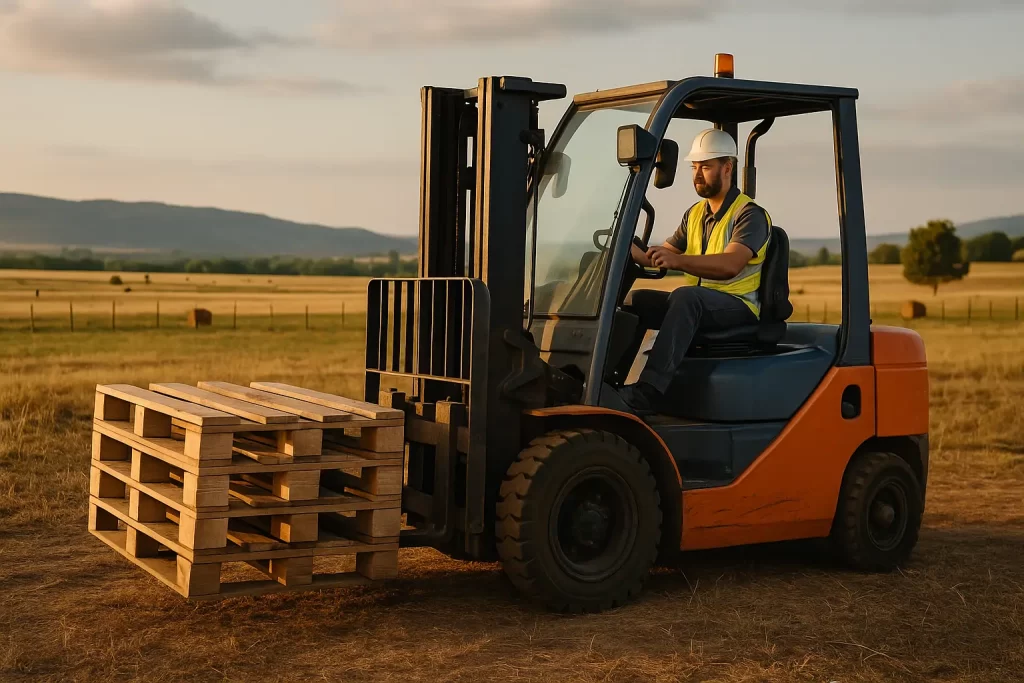
- Agriculture: All-terrain forklifts, uneven surfaces, and load irregularities
- Mining and resources: Extreme conditions, heavy-duty attachments, and site safety protocols
- Forestry: Long travel distances, unsealed roads, and mobile plant interaction
Engaging a trainer who understands your environment ensures that workers are prepared not just to pass the test—but to work safely on-site.
Benefits of Closing the Gap
By prioritising forklift training in remote areas, businesses can:
- Reduce downtime caused by compliance breaches or unsafe practices
- Boost worker confidence and retention in high-risk roles
- Build a safer workplace culture across all shifts and sites
- Avoid expensive incidents and liability
Plus, trained and licenced workers are more productive, better at spotting hazards, and contribute to the long-term resilience of your regional operation.
Conclusion: Distance Shouldn’t Equal Disadvantage
Just because your business operates far from a city doesn’t mean you should compromise on safety or compliance. Remote and regional forklift training is not only possible—it’s essential. By exploring flexible delivery models, working with the right training providers, and staying up to date with your obligations, you can ensure your team stays safe, skilled, and certified—wherever you’re based.