

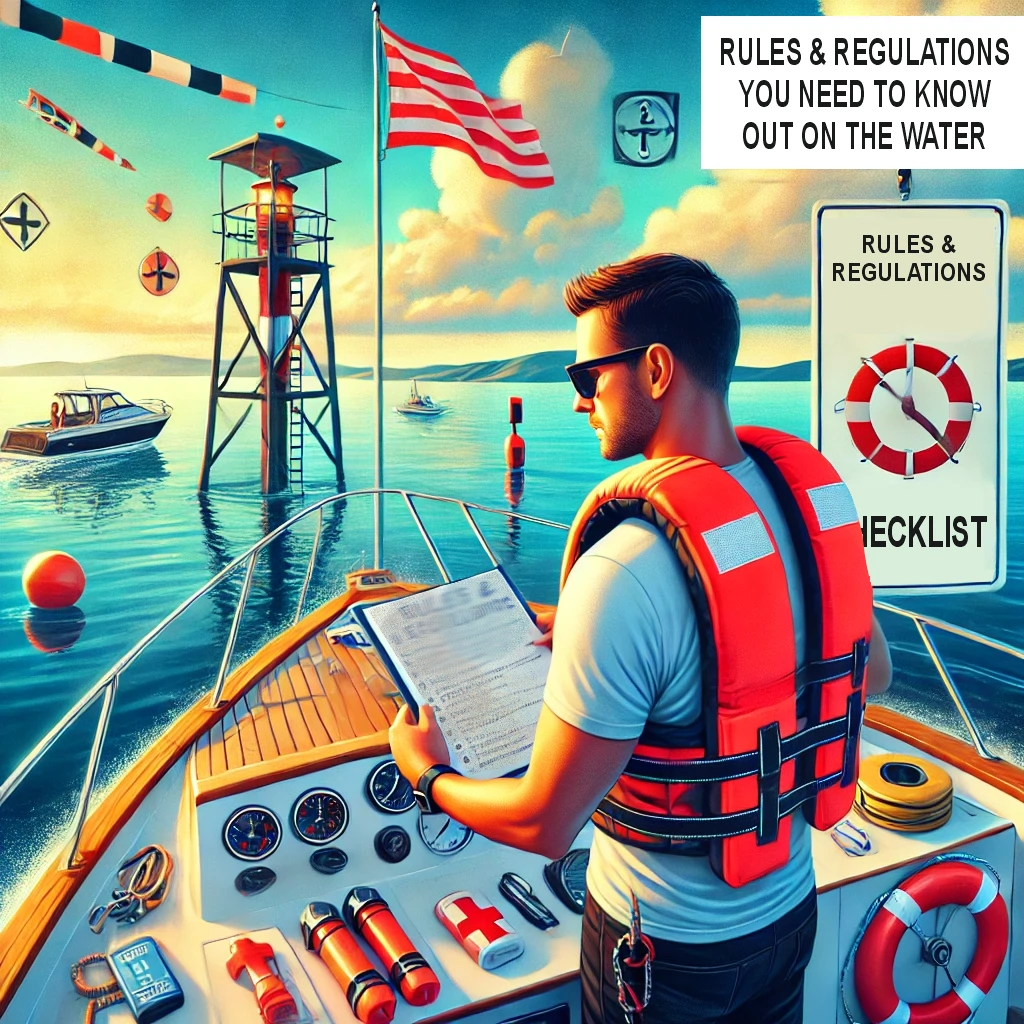
Rules & Regulations You Need To Know Before Going Out On The Water
Exploring Australia’s vast waterways is an exhilarating experience, but safety and compliance with the law are paramount. Whether you’re a seasoned mariner or a first-time boater, understanding the rules and regulations governing watercraft use in Australia is essential. Here’s a comprehensive guide to help you navigate the legal waters.
- Licensing Requirements
In all Australian states and territories, operating a recreational vessel requires a valid Marine licence. The specific requirements vary:
- Victoria: A marine licence is required for operating powered recreational vessels.
- New South Wales (NSW): A boat licence is mandatory for any powered vessel capable of speeds over 10 knots.
- Queensland: A recreational marine driver licence (RMDL) is needed for any vessel with an engine power exceeding 4.5kW.
- Western Australia, South Australia, Tasmania, and Northern Territory: Each has unique licensing requirements, often dependent on vessel size and engine power.
Ensure your licence is current and suitable for the type of watercraft you intend to operate.
- Registration of Vessels
All powered vessels must be registered in the state or territory where they are primarily used. The registration process includes displaying the vessel’s registration number prominently on both sides of the hull.
- Safety Equipment Requirements
Carrying the right safety equipment is legally required and vital for your safety. This includes:
- Lifejackets (PFDs): Must be the correct type for the activity and worn where required.
- Distress Signals: Flares and an EPIRB (Emergency Position Indicating Radio Beacon) for offshore trips.
- Fire Extinguishers: Necessary for vessels with enclosed fuel systems.
- Anchor and Rope: For securing the vessel if needed.
- Bailing Equipment: Buckets or bilge pumps to remove water from the vessel.
Check state-specific requirements, as they can differ based on vessel size and distance from shore.
- Navigation Rules (COLREGs)
The International Regulations for Preventing Collisions at Sea (COLREGs) apply in Australian waters. Key rules include:
- Right of Way: Power-driven vessels must give way to sailing vessels.
- Speed Limits: Adhere to posted speed limits, especially in designated no-wake zones.
- Navigation Lights: Required during low visibility conditions and at night.
- Sound Signals: Use appropriate sound signals to communicate intentions in busy waterways.
- Alcohol and Drug Regulations
Operating a vessel under the influence of alcohol or drugs is illegal. The legal blood alcohol limit is generally 0.05%, similar to driving on the road. Zero tolerance applies in some states, especially for commercial operators.
- Environmental Protection Laws
Respecting marine environments is both a legal obligation and an ethical one:
- Waste Disposal: It is illegal to discharge garbage, sewage, or oil into the water.
- Protected Areas: Follow restrictions in marine parks and no-fishing zones.
- Wildlife Protection: Keep safe distances from marine life to avoid disturbing their natural habitats.
- Weather and Tidal Awareness
Boaters are responsible for monitoring weather conditions. Use reliable marine forecasts and tide charts before and during your trip. Ignoring adverse weather warnings can lead to dangerous situations and legal consequences.
- Reporting Accidents and Incidents
If an accident occurs, you must:
- Provide assistance to anyone injured.
- Exchange details with involved parties.
- Report the incident to the relevant maritime authority if there are injuries, significant property damage, or environmental harm.
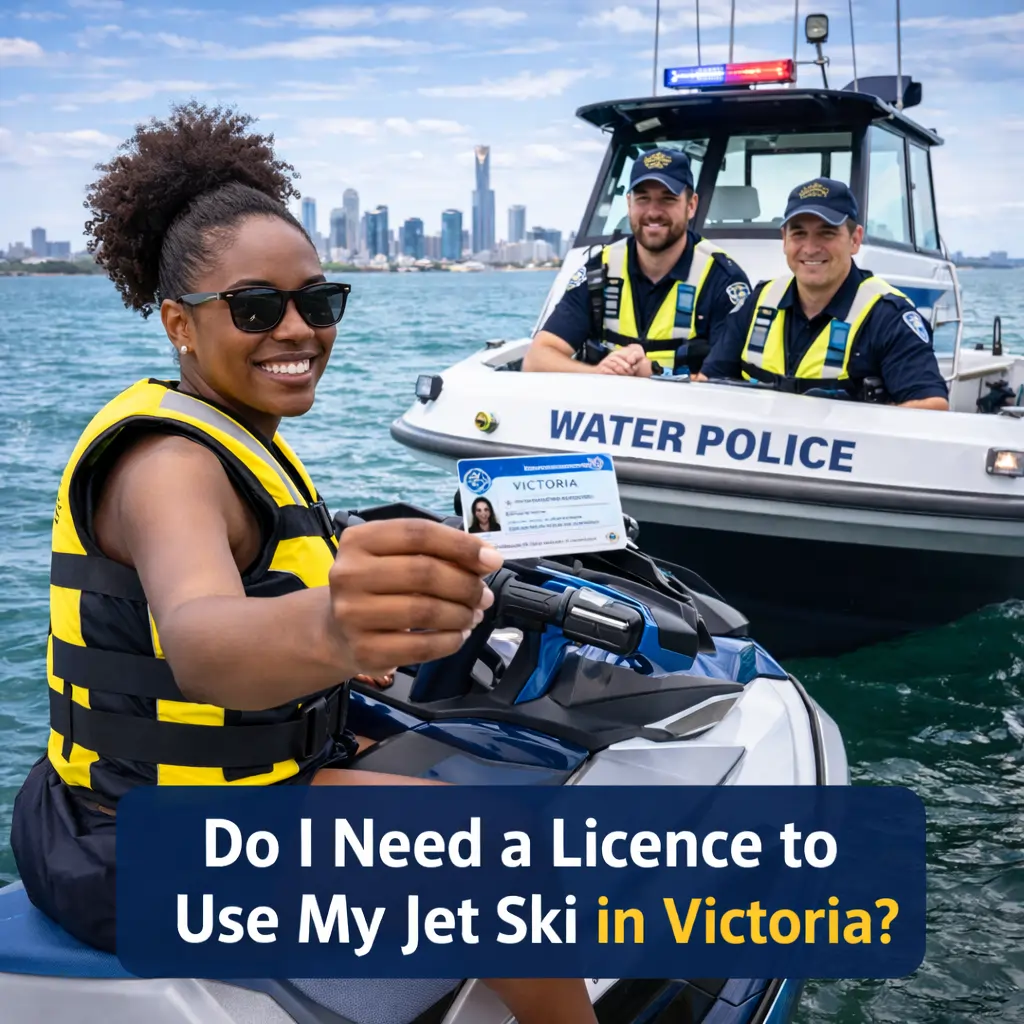
- Personal Watercraft (PWC) Regulations
Jet skis and other PWCs have specific rules:
- Speed and Distance: Maintain safe distances from swimmers, other vessels, and shorelines.
- Restricted Areas: Observe restrictions in designated swimming zones and environmentally sensitive areas.
- Licensing: Most states require a PWC endorsement on your boat licence.
Final Thoughts
Boating in Australia offers incredible experiences, but safety and compliance are non-negotiable. Always stay informed about the latest regulations, complete a boating safety course, and ensure your vessel is well-maintained. Respect for the rules not only keeps you safe but also protects our beautiful waterways for future generations.
Happy boating, and stay safe on the water!